
Project Outputs
FEATURED REPORTThe uPcycle Framework for National Phosphorus Action Planning provides a practical approach for developing National Phosphorus Action Plans that promote sustainable phosphorus management. It guides governments and national authorities on structuring national planning and coordination, identifies key actions for sustainable phosphorus use, explains the phosphorus challenge, outlines core principles of integrated management, and offers actionable guidance, drawing on global practices such as the UN SDG 6 Global Accelerator Framework and Integrated Lake Basin Management.
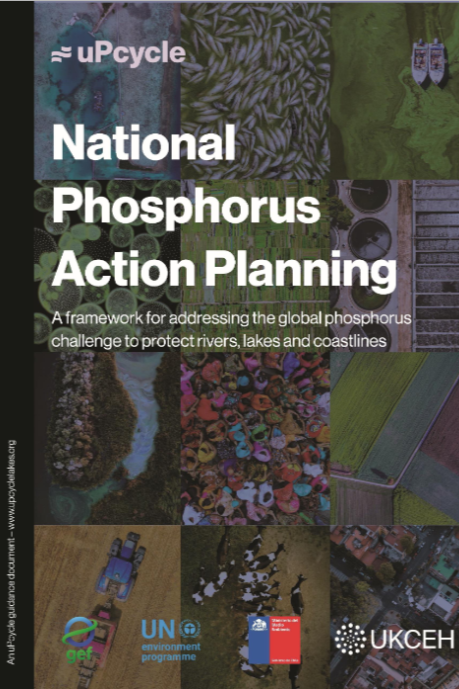
A Framework to support the development of national action plans for sustainable circular phosphorus cycles that protect rivers, lakes and coastlines
FEATURED REPORTA proposal to the Kunming–Montreal Global Biodiversity Framework (GBF) to adopt a Freshwater Eutrophication Index (FEI) as a headline indicator within its Framework. Inland waters are vital for biodiversity, supporting ecosystems, water supply, and livelihoods. The FEI offers a harmonized, science-based method to track phosphorus and nitrogen pollution, key drivers of freshwater degradation not covered by existing GBF indicators. It supports GBF Target 7 and Goal B, contributes to Targets 2, 3, and 8, and aligns with SDG Indicator 6.3.2 for monitoring.
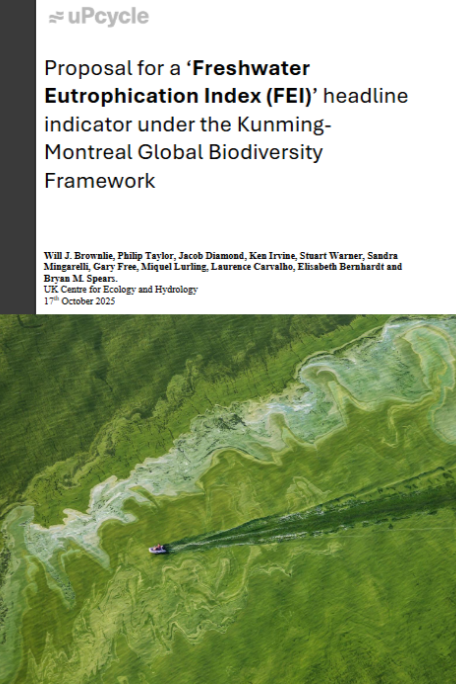
A globally harmonised, scientifically robust and policy-relevant methodology for tracking phosphorus and nitrogen pollution in inland waters - (submitted to Global Biodiversity Framework for adoption as a new headline indicator)
FEATURED REPORTA Framework for Gender Mainstreaming in Sustainable Phosphorus Management for Nature Recover
A framework to integrate gender mainstreaming measures at the project planning stage, in addition to implementation and monitoring.
This framework provides guidance for integrating gender mainstreaming into projects and programmes focused on sustainable phosphorus management in lake catchments. It outlines practical approaches for incorporating gender considerations into project planning, implementation and monitoring, including recommended indicators and key questions for decision making. Designed for policymakers, project managers and practitioners, the framework supports more inclusive, equitable and effective phosphorus management that benefits both ecosystems and communities.
The uPcycle Project Gender Mainstreaming Action Plan
The uPcycle Gender Mainstreaming Action Plan outlines the project’s approach to embedding gender and inclusivity considerations across project design, implementation and engagement activities.
Using the Framework for Gender Mainstreaming, the uPcycle project developed a Gender Mainstreaming Action Plan that outlines how gender and inclusivity principles are being integrated across project activities and governance. This report details the approaches, actions and commitments adopted to support more inclusive and equitable project delivery.
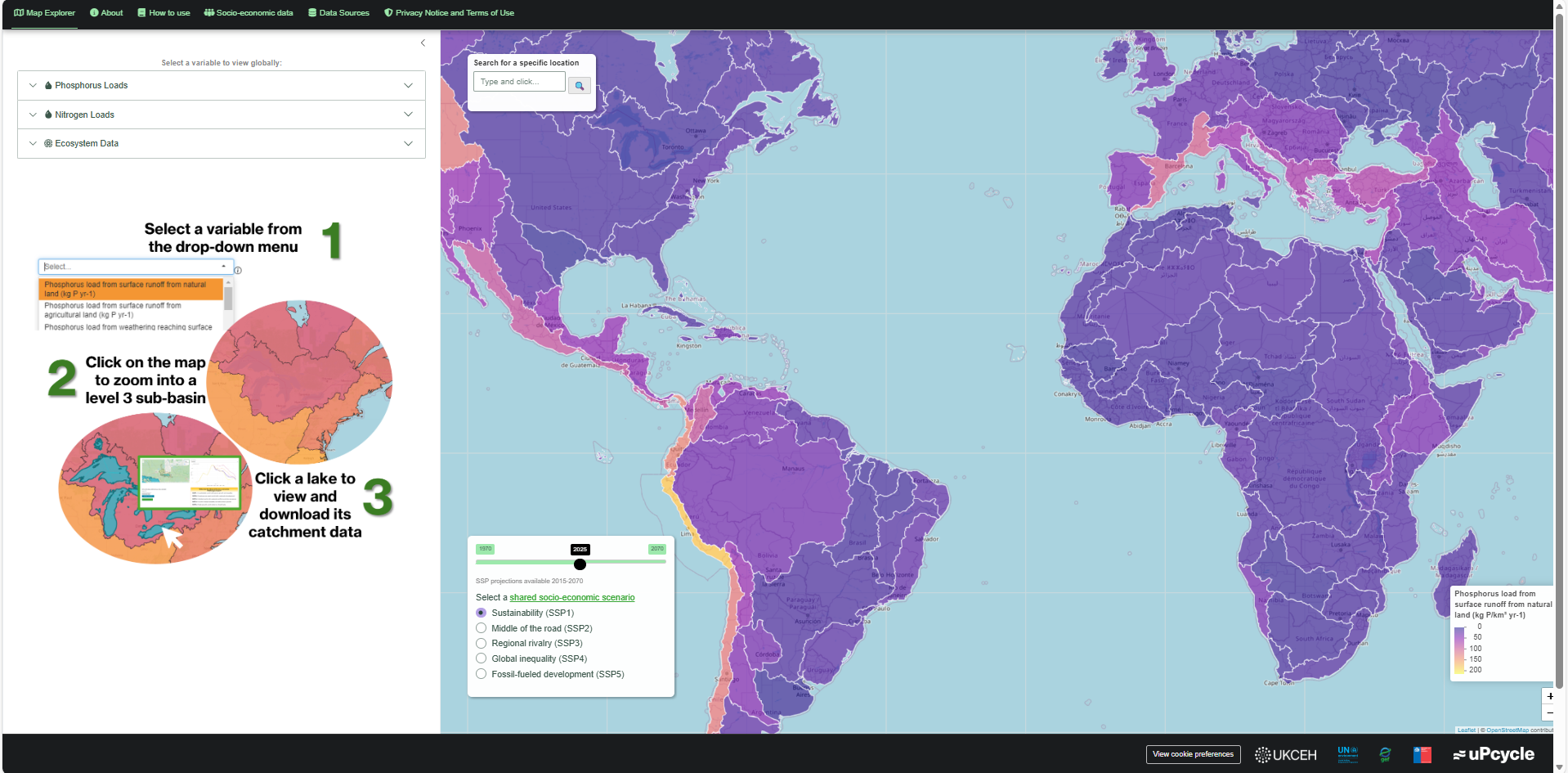
FEATURED REPORTFEATURED DATA TOOLThe Global Lakes Explorer
Explore basin- and catchment-scale nutrient pressures and future runoff scenarios with the Global Lakes Explorer, an interactive app for researchers and policymakers to visualise, compare and download nutrient emission data across regions and sectors.
FEATURED DATA TOOLThe Metadatabase
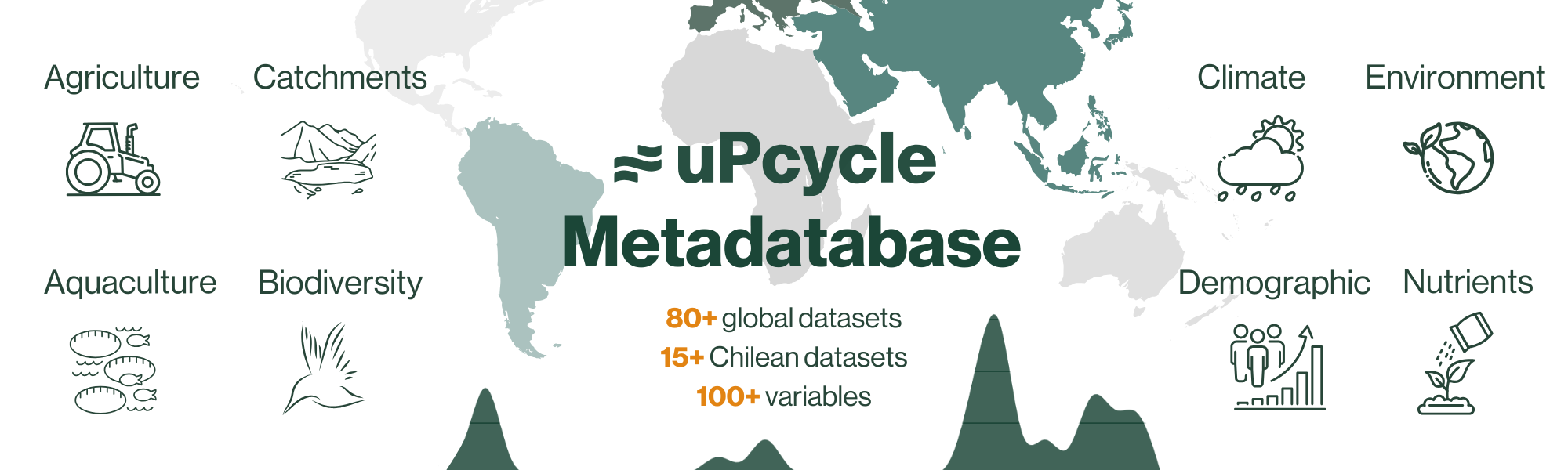
Online catalogue of metadata for datasets relevant to uPcycle, including information about data scope and availability. Collects 80+ global datasets, 15+ Chilean datasets, 100+ variables
Priority Actions for Cross-Sector Phosphorus Sustainability
Report not yet published
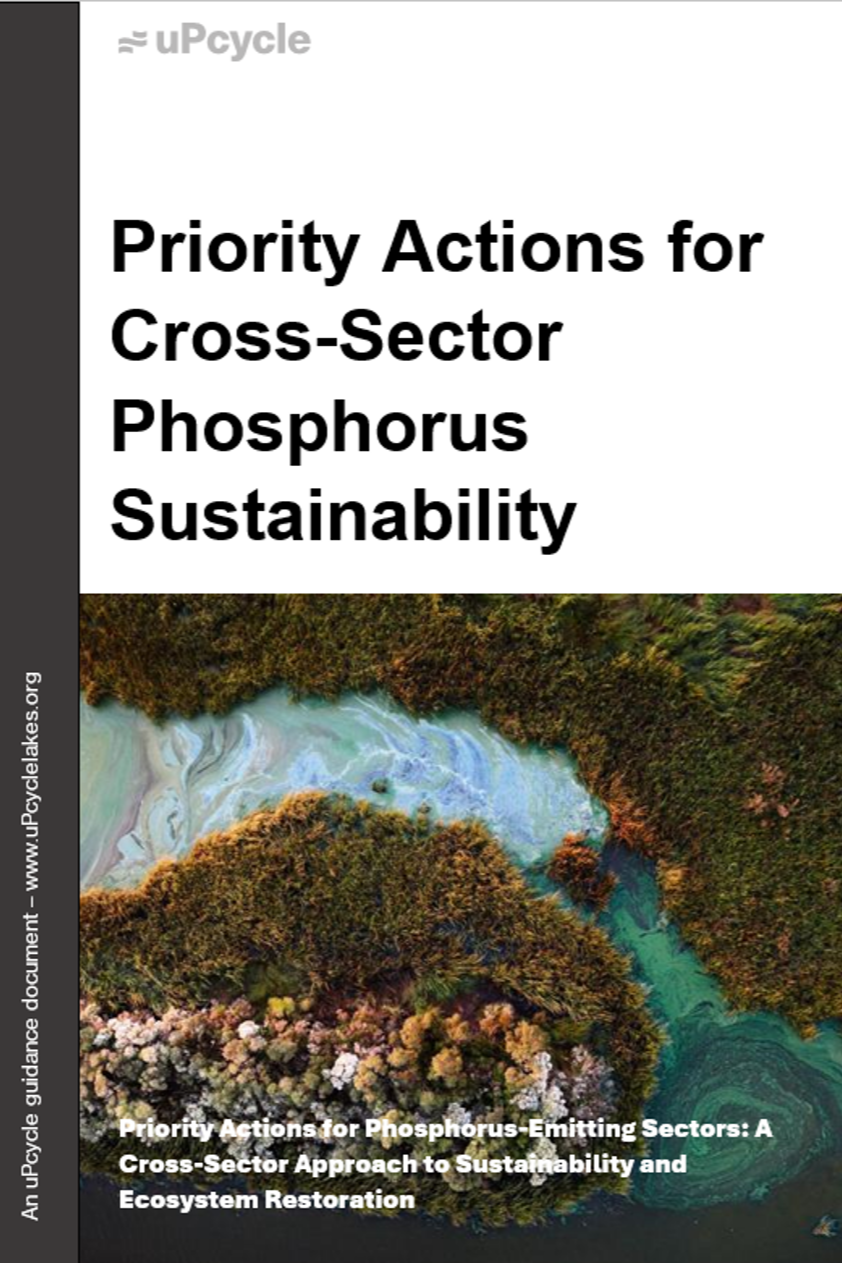
Identifies the priority issues, possible solutions and the capacity to address phosphorus sustainability across sectors.
The Priority Actions for Cross Sector Phosphorus Sustainability White Paper identifies key actions for phosphorus emitting sectors and priorities for cross sector coordination to improve global phosphorus sustainability. Developed through workshops with industry, policymakers and international stakeholders, the report outlines practical pathways to reduce phosphorus losses, strengthen recycling and support ecosystem protection. It also develops a global business case for phosphorus sustainability, highlighting the economic and environmental benefits of coordinated action across food, waste and industrial systems.
FEATURED REPORTFarm2Export: Ammonia. Farm2Export Guidance Document Series
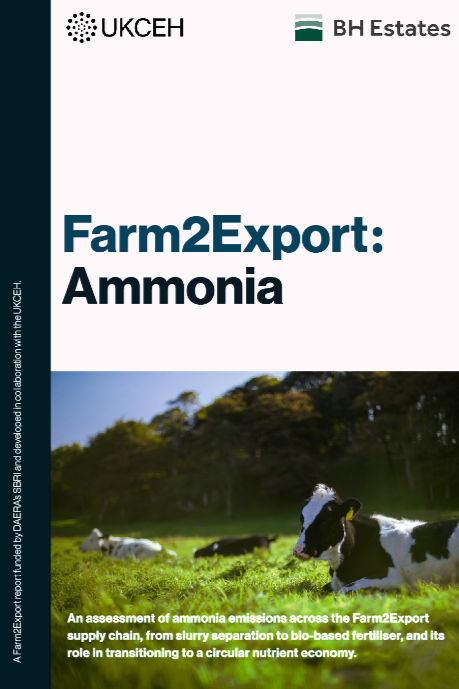
This report evaluates nutrient emissions from a novel nutrient recovery system in Northern Ireland that combines slurry separation, anaerobic digestion and the production of bio-based fertilisers.
The Farm2Export project, launched in 2023 under the Sustainable Utilisation of Livestock Slurry programme and funded by the Department of Agriculture, Environment and Rural Affairs (DAERA), develops an integrated nutrient recovery system for Northern Ireland. The framework combines slurry separation, anaerobic digestion and nutrient recovery to produce exportable bio-based fertilisers from livestock manures. It evaluates nutrient flows, ammonia emissions and deployment challenges, providing guidance for policymakers, regulators and agricultural stakeholders on sustainable nutrient management.
FEATURED DATA TOOL