Media and Events
Workshop summaries and awareness-raising materials created by the uPcycle Chilean Team, led by Fundación Chile (FCh).
The uPcycle team in Chile has organised and led workshops for citizens, the academic, aquaculture, and agriculture sectors, raising awareness of the project goals and gathering local perspectives. The team has also created downloadable educational materials, including infographics and identification cards.
Workshops
Academia
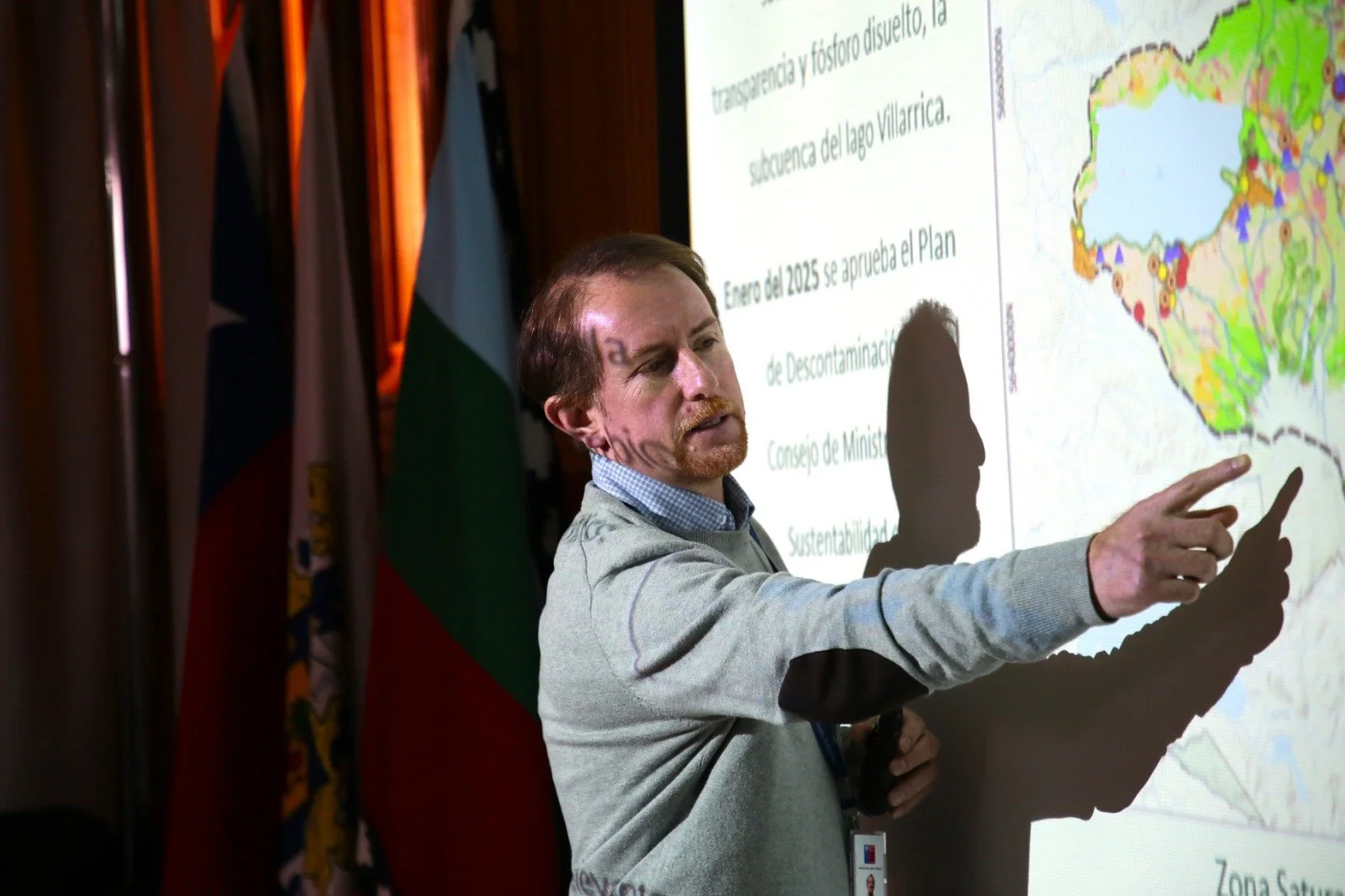
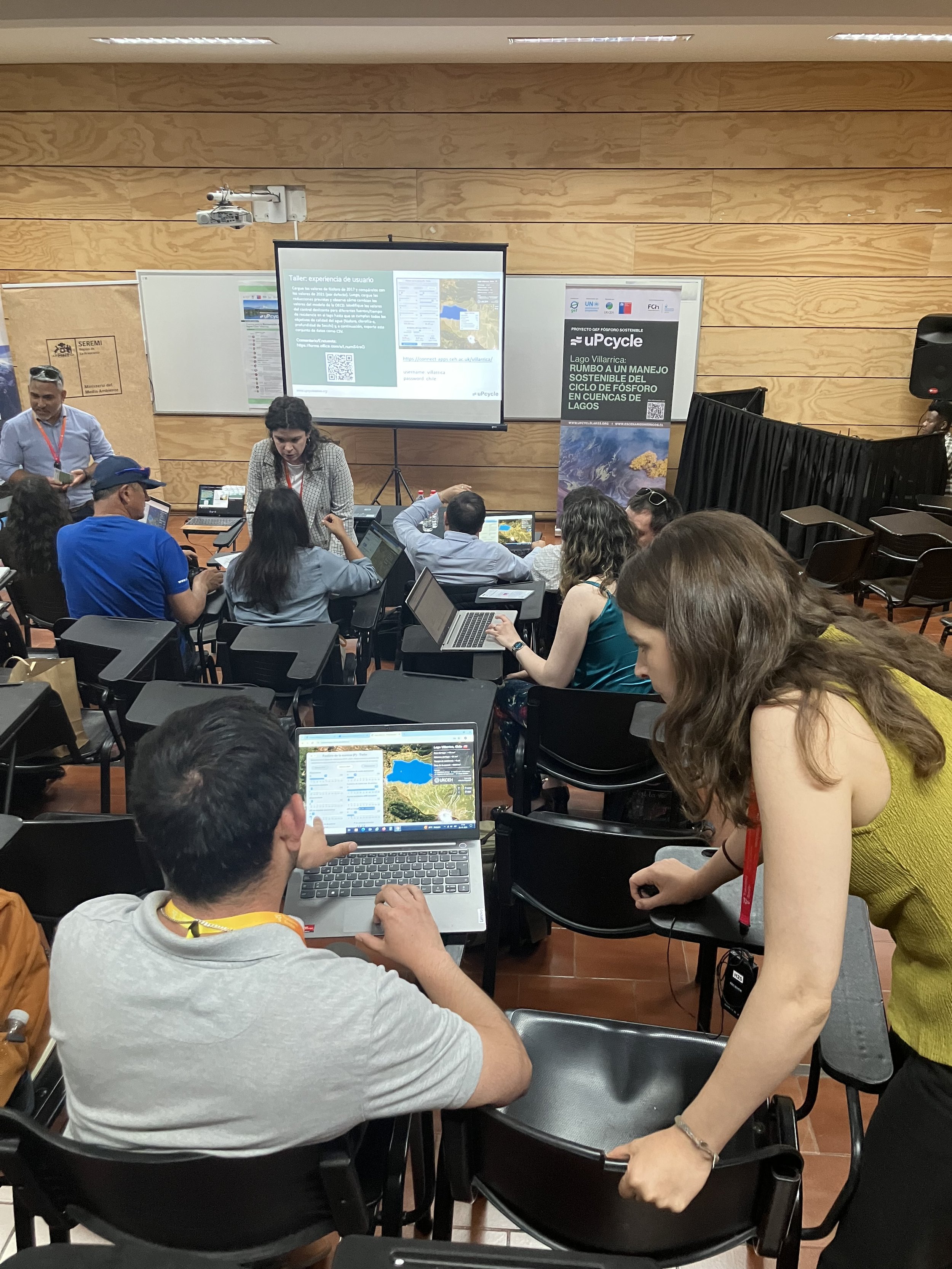
Science for Lake Restoration – Lake Villarrica study case
Held 25-26th November 2025 at the Catholic University of Temuco, and hosted by partners from UKCEH, MMA, Fundación Chile, and the Catholic University of Temuco. Delegates discussed the decontamination plan, restoration practices for Lake Villarrica, and monitoring challenges. The workshop also showcased digital tools created by the uPcycle team, such as the Global Lakes Explorer. Finally, the workshop featured an interactive exercise with the Villarrica Data Portal, where participants gave feedback and input for how to improve the portal.
Aquaculture
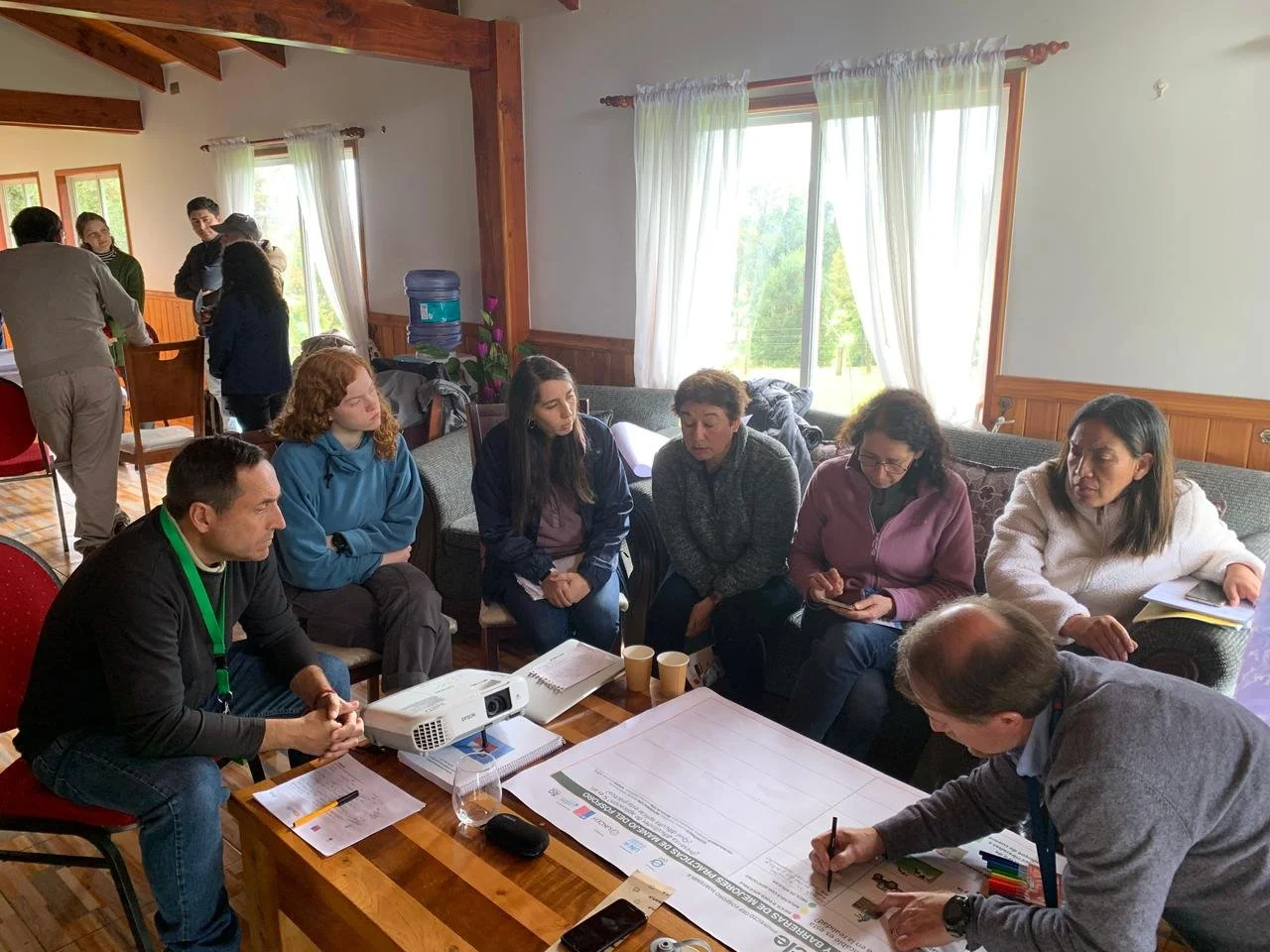
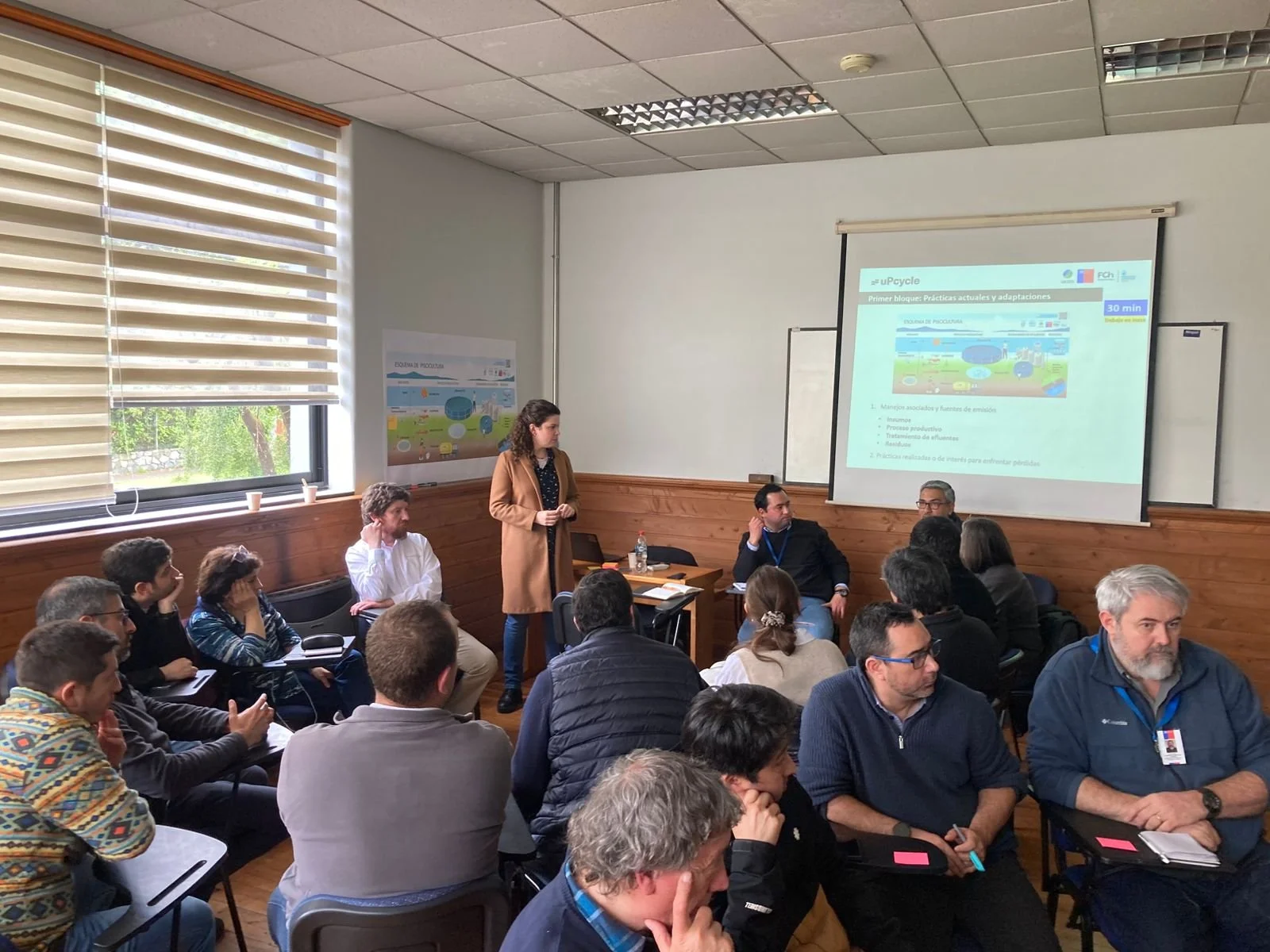
1st Workshop with Fish Farms in the Villarrica Lake Catchment
Held 14th October 2025 at the Universidad de la Frontera in Pucón, Chile, and hosted by partners from UKCEH, MMA and Fundación Chile. Delegates discussed the Decontamination Plan and restoration practices for Lake Villarrica, such as fish sludge reduction and financial incentives for the aquaculture sector. The interactive workshop also explored barriers and opportunities for sustainable aquaculture in Chile.
Citizens
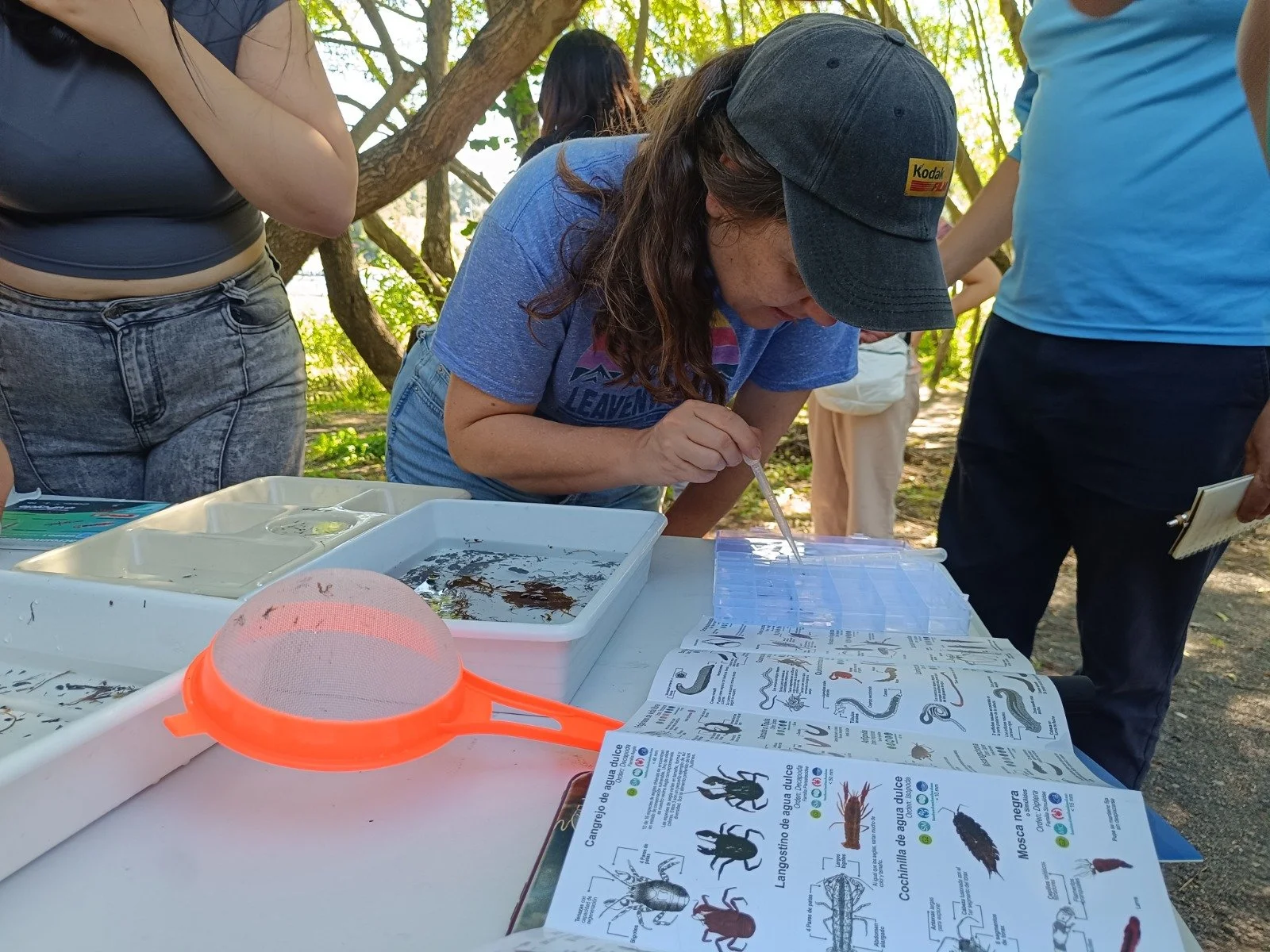
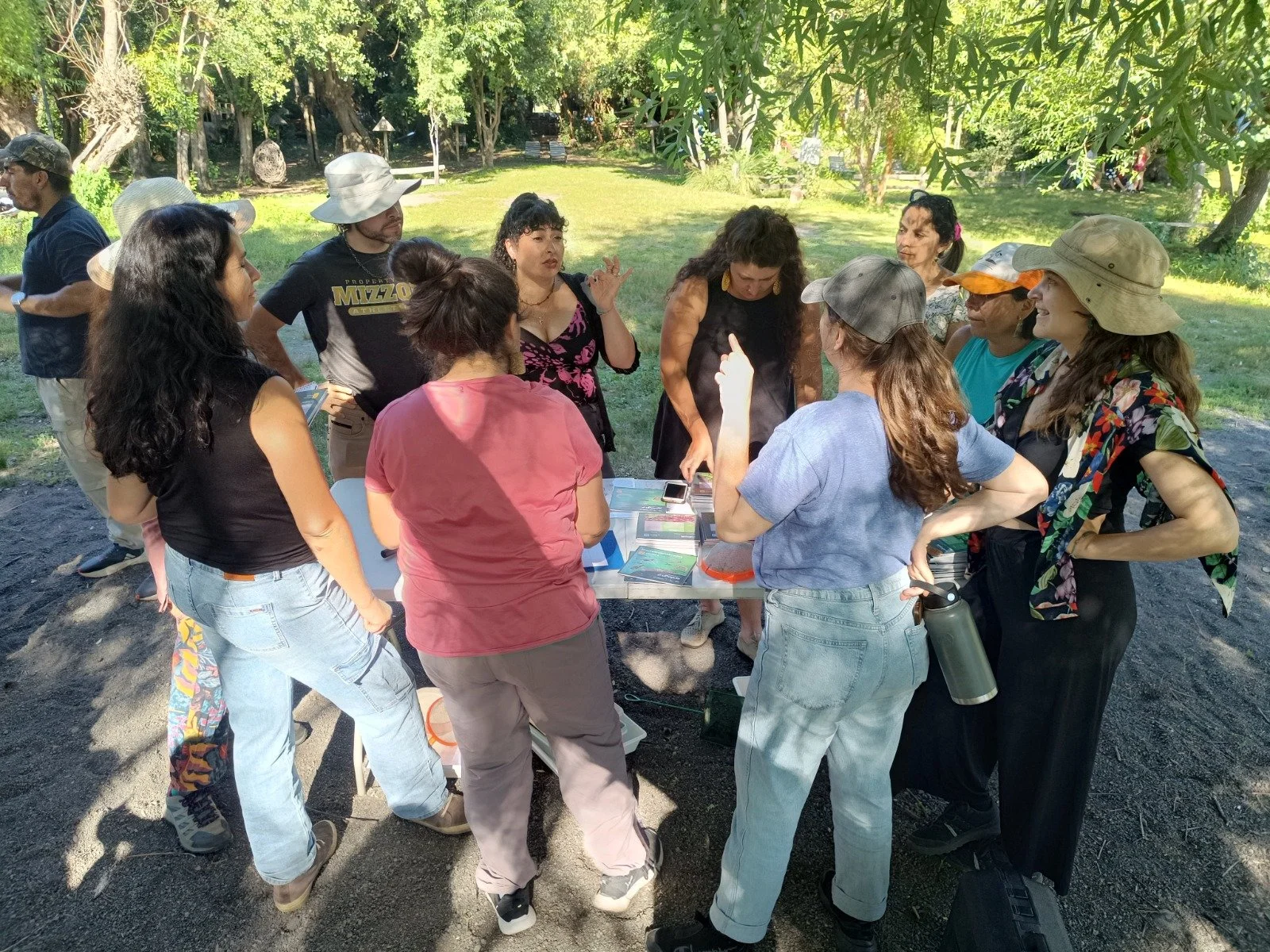
Citizenship for the Lake: Talk and Practical Activity
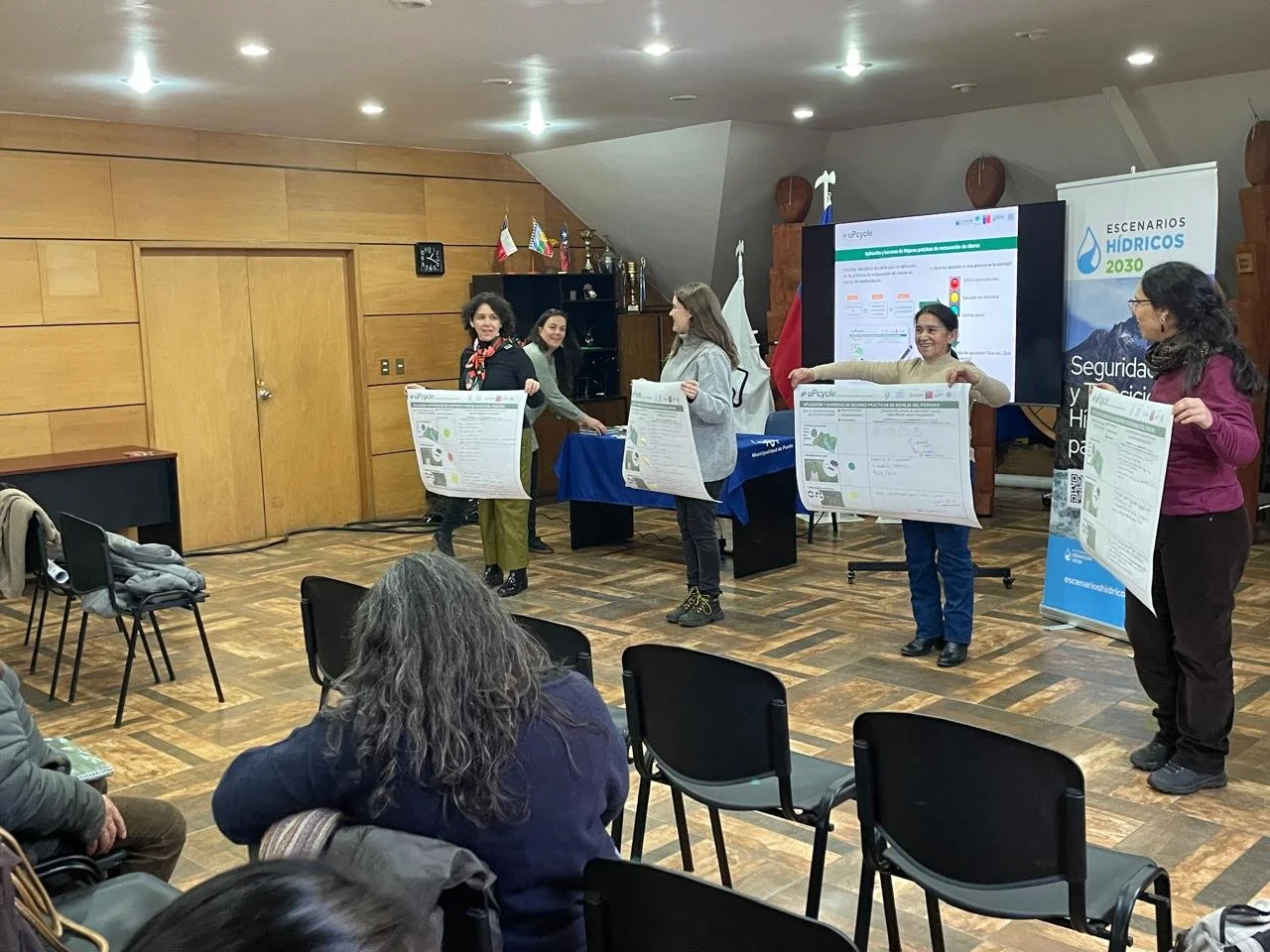
Held 6th March 2026 at the Municipal Town Hall in Pucón (Chile), and was attended by Pucón community representatives of different industries, sectors, and Indigenous communities. The workshop featured discussions on pollution and targeted lake restoration practices in Lake Villarrica, and the Decontamination Plan. Participants also engaged with a practical aquatic monitoring activity facilitated by the young women in science club 'Daphnitas'.
Agriculture
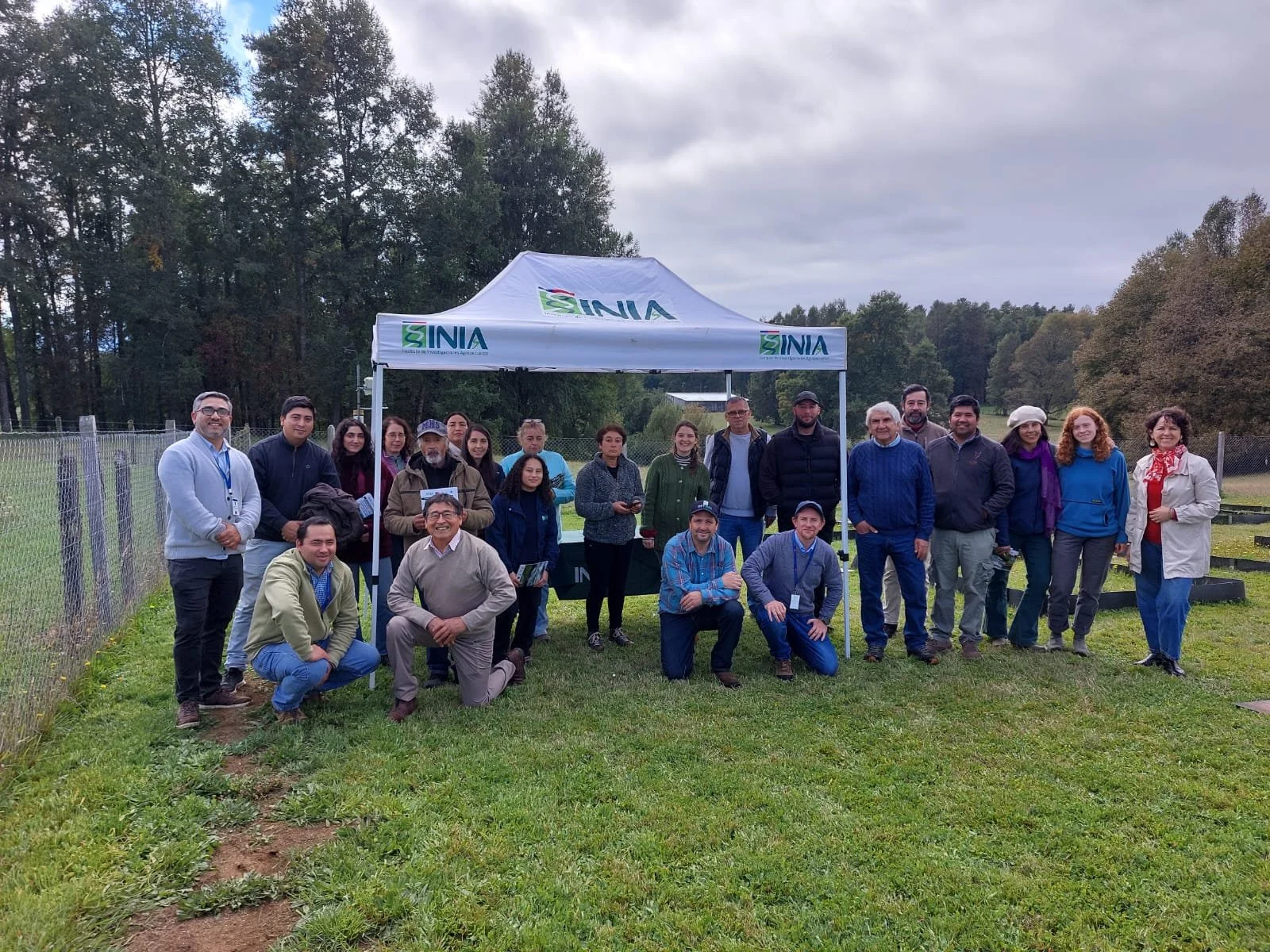
Sustainable Practices in the Use of Nutrients (Phosphorus) - part 2
The 2nd Agricultural Sector Workshop was held 7th April 2026 at the Demonstration unit at Lefún in Villarrica. Delegates discussed agronomic management practices in the Lake Villarrica basin, phosphorus management including best practice for managing manure and sludge. Participants also visited the INIA demonstration unit to evaluate phosphorus runoff.
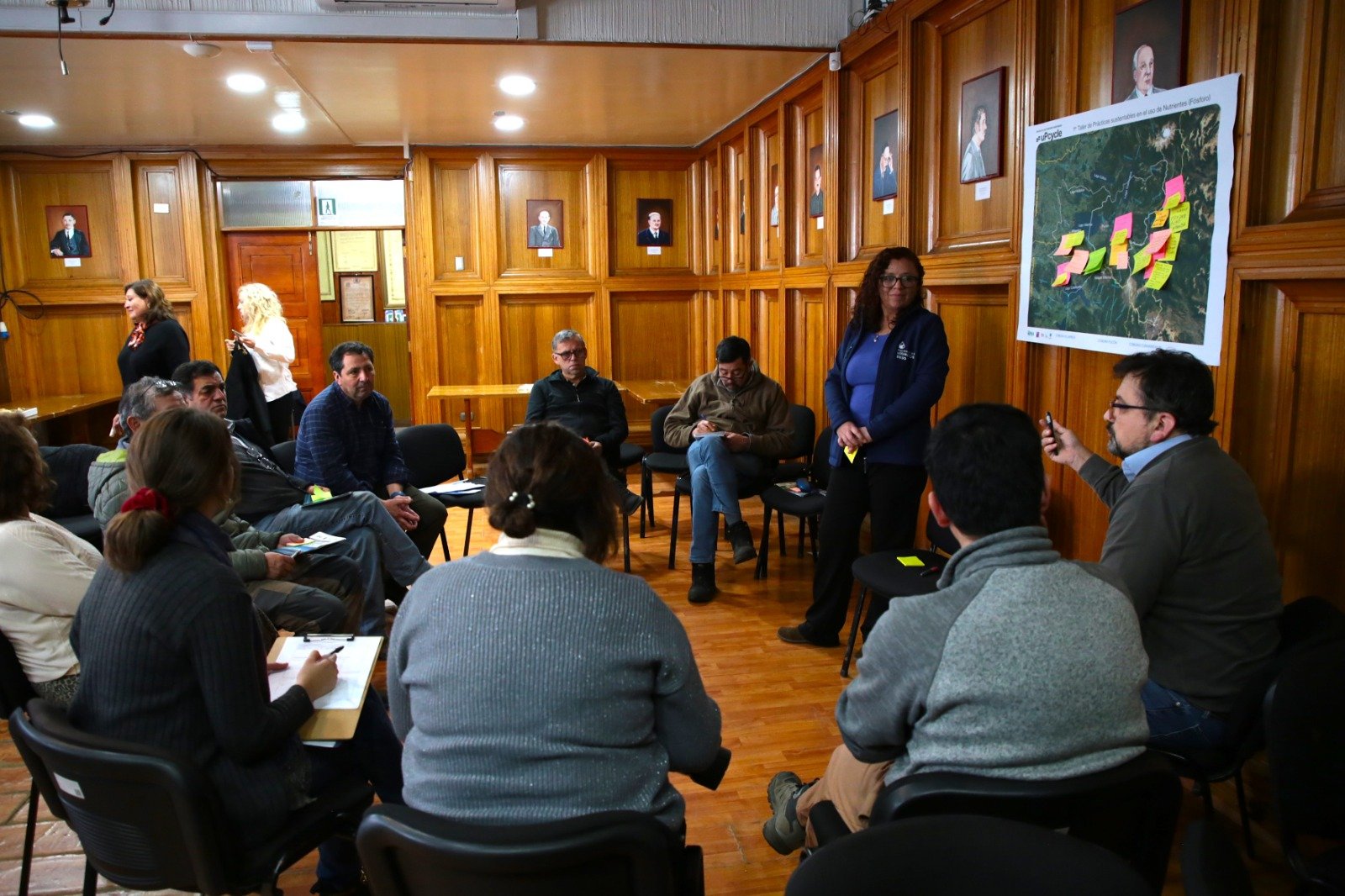
Sustainable Practices in the Use of Nutrients (Phosphorus) - part 1
The 1st Agricultural Sector Workshop was held 12-13th August 2025 at the Municipal Auditorium and Agricultural and Livestock Service (SAG) Office in Villarrica (Chile). Participants identified practices for the management of phosphorus and other nutrients, and opportunities to reduce potential impacts on watercourses in the agricultural systems of the Lake Villarrica basin.
Riverbank communities
Water and biodiversity protective riverbank
Held on May 19th 2026 at the Pucón Municipality council hall, co-organized by Fundación Chile, the Riparian Laboratory (PUC), Pucón Municipality, the Ministry of the Environment (MMA), and UKCEH. The event gathered 27 representatives from public institutions, local organizations, academia, and community members and focused on the crucial role of native vegetative buffers in filtering nutrients and protecting water quality in the Lake Villarrica basin. Given the 2,000-hectare restoration target under the Villarrica Lake Decontamination Plan, participants assessed the real-world application and key obstacles of maintaining protective buffer zones, implementing soil stabilization, and reforesting riparian areas.
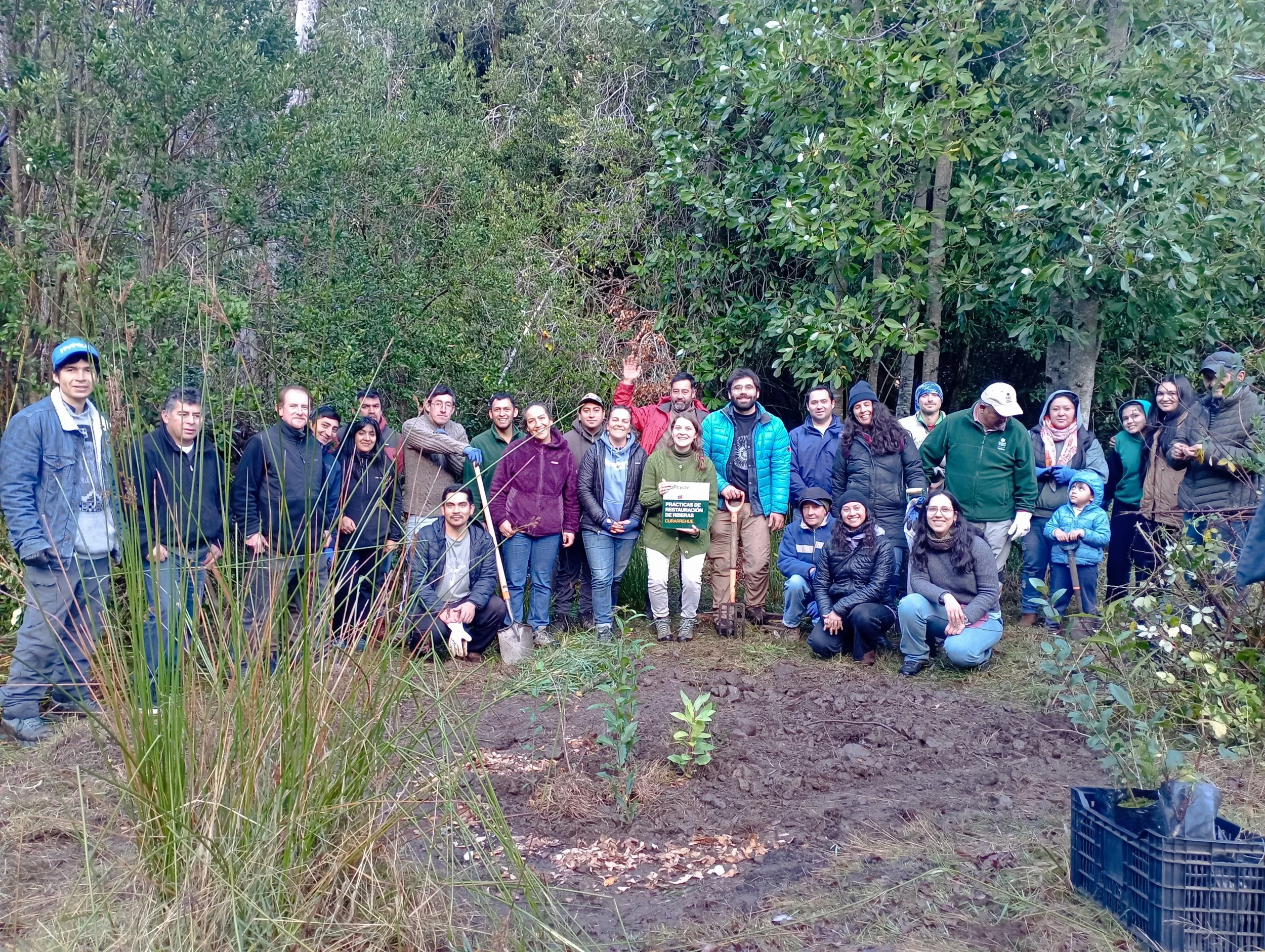
Forest, water and communities: riverbank restoration in Curarrehue
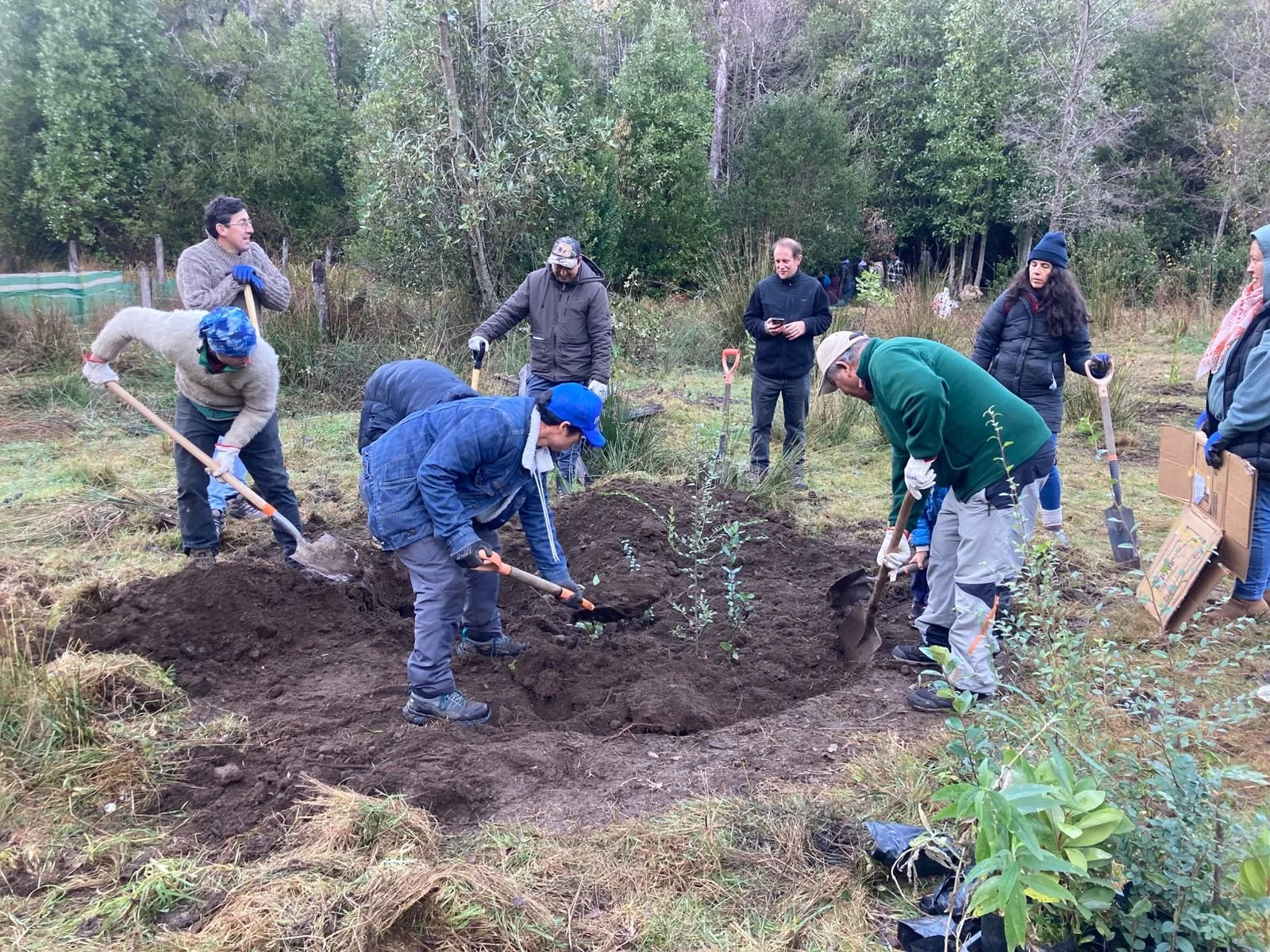
Held on May 29th 2026, at Escuela Panque in Puala Alto, Curarrehue, and co-organized by Fundación Chile, the Riparian Laboratory (PUC), Cooperativa LEMU, Escuela Panque, the Ministry of the Environment (MMA), and UKCEH. The event gathered 29 representatives from local indigenous communities, public institutions, and educational organizations and focused on the vital role of native riparian ecosystems in filtering nutrients, stabilizing riverbanks, and protecting watershed health. Participants conducted site diagnostics, planted around 50 native trees and shrubs using Miyawaki core and individual plot methods, and installed bio-rolls with containment netting to stabilize eroded slopes.
Education
-
![]()
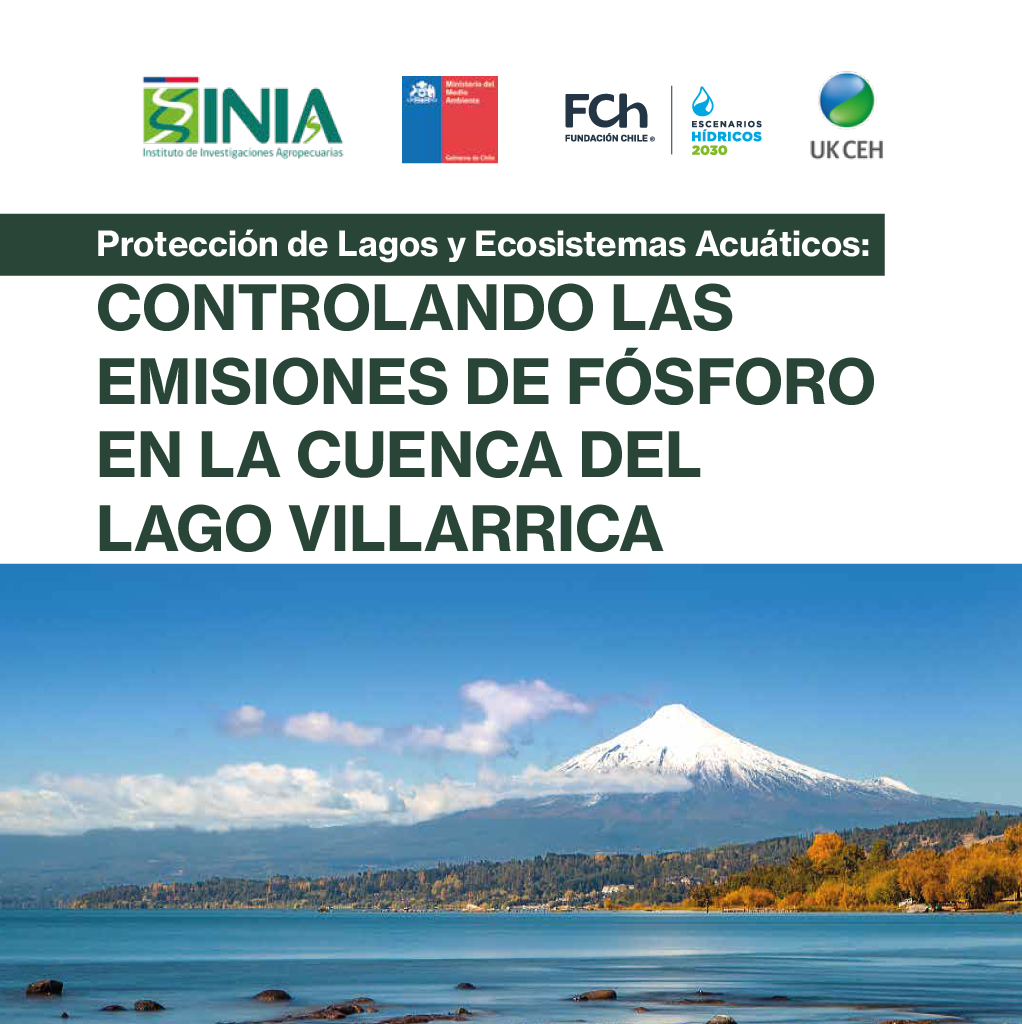
Guía - Taller Agricultura
-
![]()
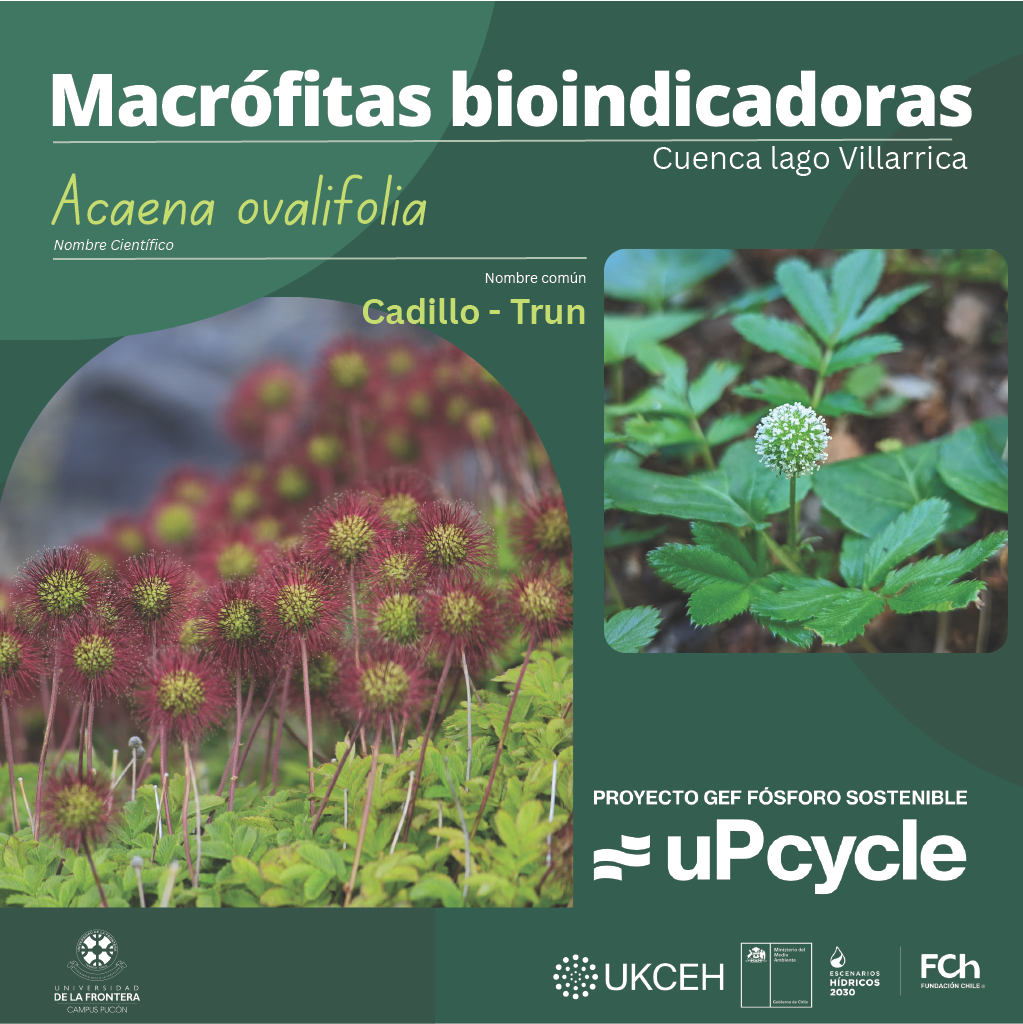
Fichas de identificación macrófitas bioindicadoras Villarrica
-
![]()
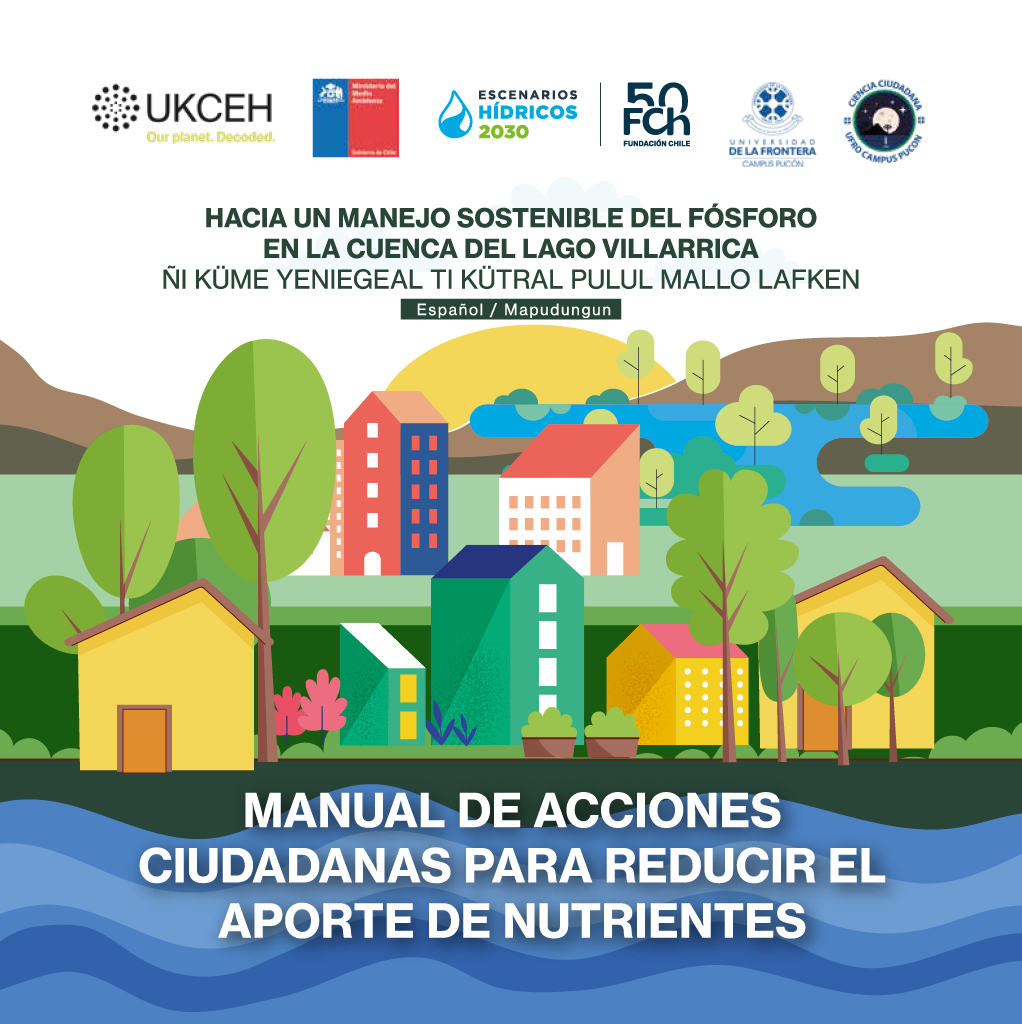
Manual de acciones ciudadanas para reducir el aporte de nutrientes
-
![]()
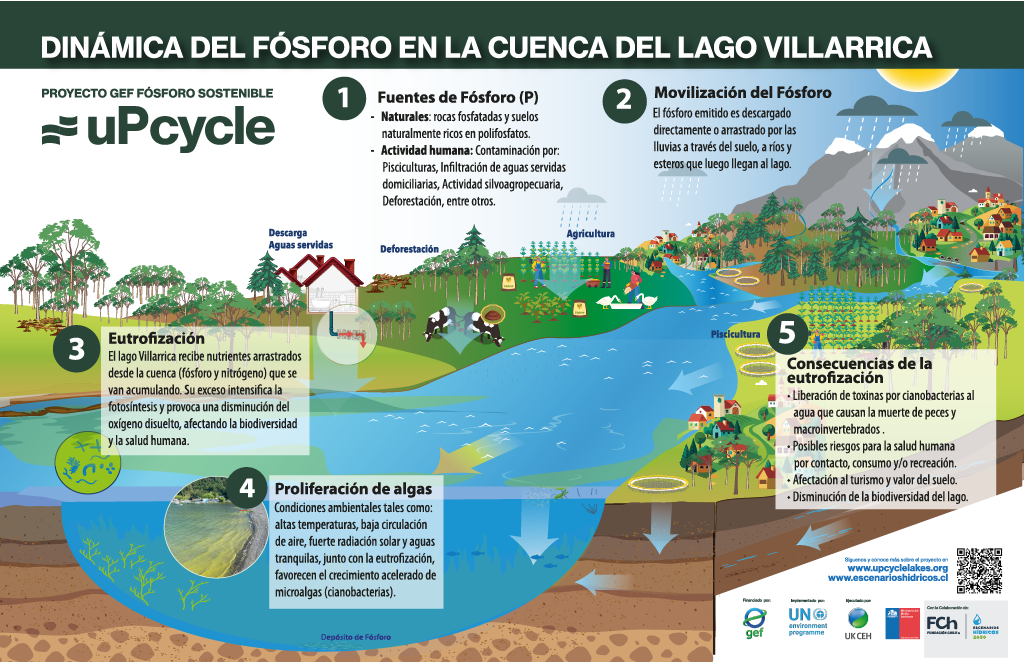
Cuenca Villarrica infografía dinámica del P
-
![]()
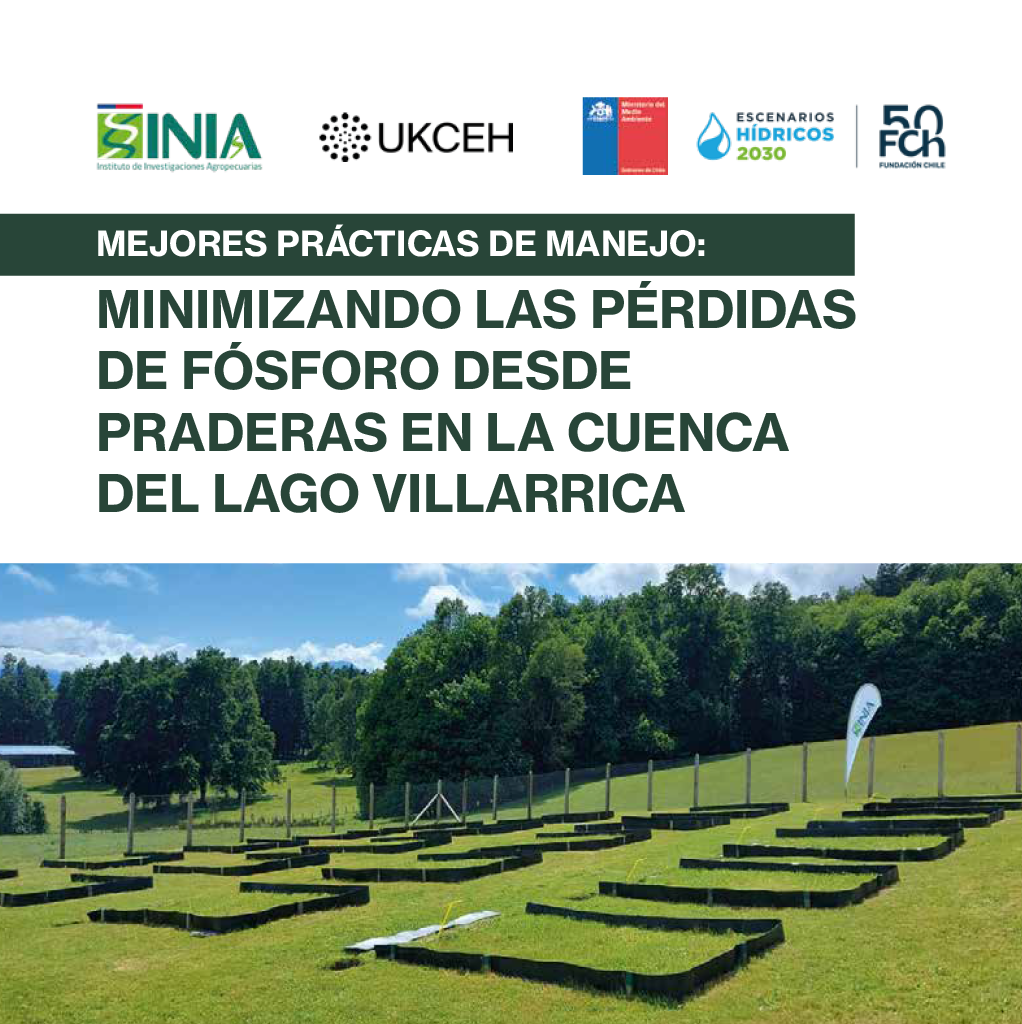
Mejores prácticas de manejo: minimizando las pérdidas de fósforo desde praderas en la cuenca del Lago Villarrica